Signs Your Home Is Ready for a Skylight Installation
Signs your home is ready for a skylight installation include natural light needs, roof condition, and space availability, which local contractors can evaluate and address professionally.
Homeowners exploring skylight installation often notice certain signs that suggest their space is ready for this upgrade. For example, rooms that feel dim or lack natural light during the day may benefit from a skylight to brighten the interior and create a more inviting atmosphere. Additionally, spaces with limited window options or areas where traditional windows aren’t feasible can be ideal candidates for skylights, which can enhance both aesthetics and functionality. Local contractors experienced in skylight installation can assess these signs and help determine if a skylight would be a practical addition, ensuring the project complements the home’s design and meets the owner’s needs.
Property owners in the area might also consider a skylight if they notice issues like uneven lighting or increased energy costs due to poor daylighting. Skylights can bring in more natural light, reducing the reliance on artificial lighting and potentially lowering energy bills. If a home has a flat roof or an accessible attic space, these features can make the installation process smoother and more effective. Keeping an eye out for these practical indicators can help homeowners decide when it’s the right time to explore skylight installation options with trusted local service providers who specialize in this type of work.
- Leaking roof or water damage - when signs of leaks or water intrusion appear, local contractors can evaluate if a skylight installation is feasible to improve drainage and prevent further issues.
- Insufficient natural light - homes lacking adequate daylight may benefit from skylights, with service providers assessing roof structure and placement options.
- Old or deteriorating roof - a roof nearing the end of its lifespan can be prepared for skylight installation by local pros during roof replacement or repair projects.
- Interior temperature inconsistencies - uneven heating or cooling might indicate the need for skylights to enhance insulation and natural airflow, with experts providing tailored solutions.
- Architectural updates or renovations - remodeling projects often include skylight installations, where local service providers can help determine the best placement and installation methods.
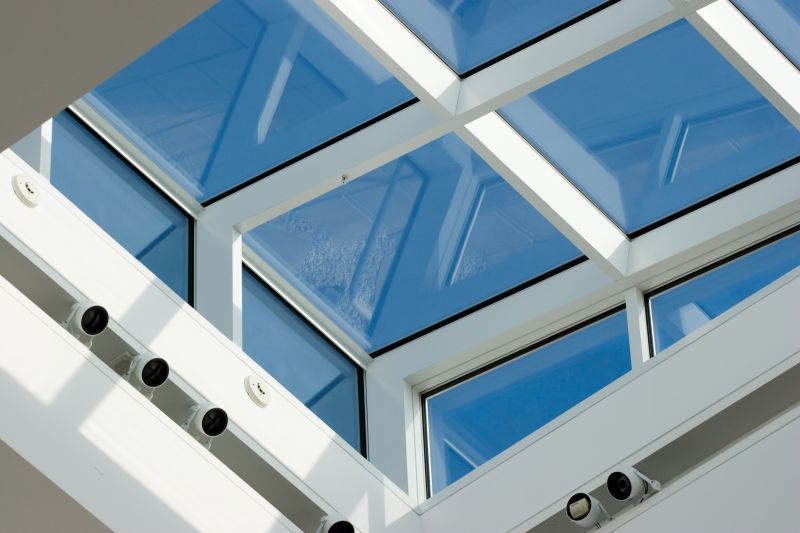
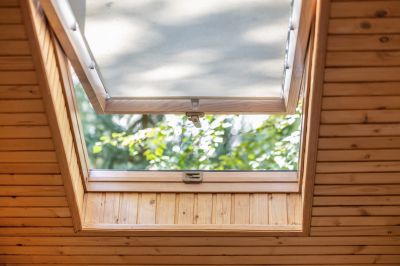
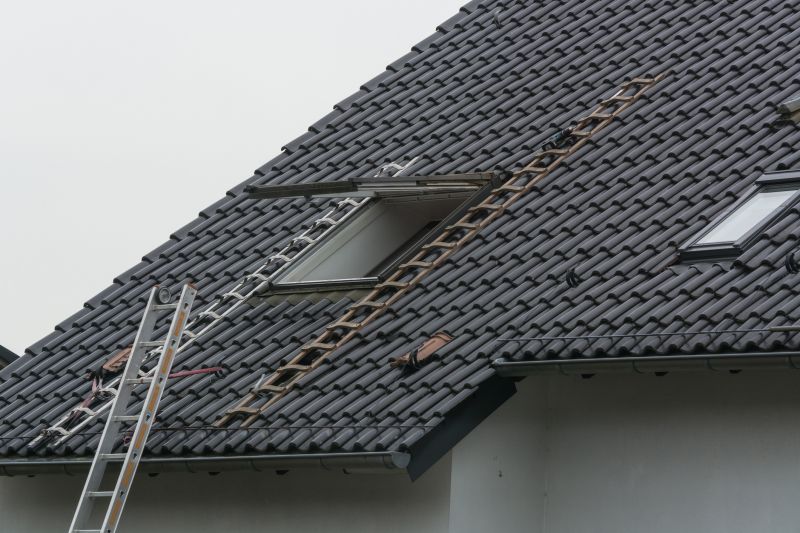
Understanding the signs your home is ready for a skylight installation involves recognizing specific features and conditions that make adding a skylight a practical and beneficial choice. Homeowners often search for this topic when considering ways to increase natural light, improve ventilation, or enhance the aesthetic appeal of their living spaces. Typically, the focus is on identifying areas within the home that can benefit from additional sunlight, such as rooms that feel dark or cramped. These signs indicate that a skylight could not only brighten the space but also contribute to energy savings by reducing the need for artificial lighting during the day.
The decision to install a skylight often relates to plans for remodeling, expanding living areas, or simply upgrading the home’s comfort and functionality. Certain problems, like persistent shadows, high electricity bills due to over-reliance on indoor lighting, or a desire for a more open, airy atmosphere, are common reasons homeowners explore skylight options. Additionally, some may be considering a renovation that involves roof modifications or structural changes that could support a skylight. Recognizing these plans or issues helps determine whether a skylight installation aligns with the home’s current condition and future improvement goals.
Properties that typically come up in discussions about skylight readiness include single-family homes, especially those with vaulted ceilings or flat roofs, as well as attic spaces and upper-story rooms. Homes with limited windows or rooms that face shaded areas are prime candidates for adding a skylight to boost daylight penetration. Commercial buildings, such as offices or retail spaces with flat roofs, can also be suitable for skylight installation when natural lighting is a priority. Understanding the type of property and its architectural features helps homeowners identify if their space can accommodate a skylight and how local contractors can assist in making the installation seamless and effective.
When considering signs your home is ready for a skylight installation, it’s important to evaluate the structural integrity of the roof and the available space for proper placement. Local service providers can assess whether the roof framing can support a skylight, and if the existing roof design allows for optimal light entry. They can also advise on the best location to maximize sunlight while avoiding potential issues like leaks or shading from nearby structures. Recognizing these factors ensures that homeowners are prepared for a successful skylight project, with professional installation helping to enhance the natural light and overall comfort of their home.
Roof Repair Projects - Repairing roof leaks or damaged shingles often involves assessing roof structure, which is essential before installing a skylight to prevent future issues.
Attic Insulation Improvements - Upgrading attic insulation requires understanding attic spaces and ventilation, skills that are also useful for proper skylight integration.
Interior Remodeling Projects - Interior renovations that involve ceiling modifications can help prepare a space for skylight installation by ensuring structural compatibility.
Window Replacement Services - Replacing or upgrading existing windows involves similar planning and skill sets necessary for installing skylights effectively.
Chimney or Skylight Flashing Repairs - Repairing flashing around existing openings shares techniques with skylight flashing installation, ensuring weatherproofing and durability.
Ventilation System Installations - Installing attic or roof ventilation systems involves understanding airflow and roof structure, which are important considerations for skylight placement.
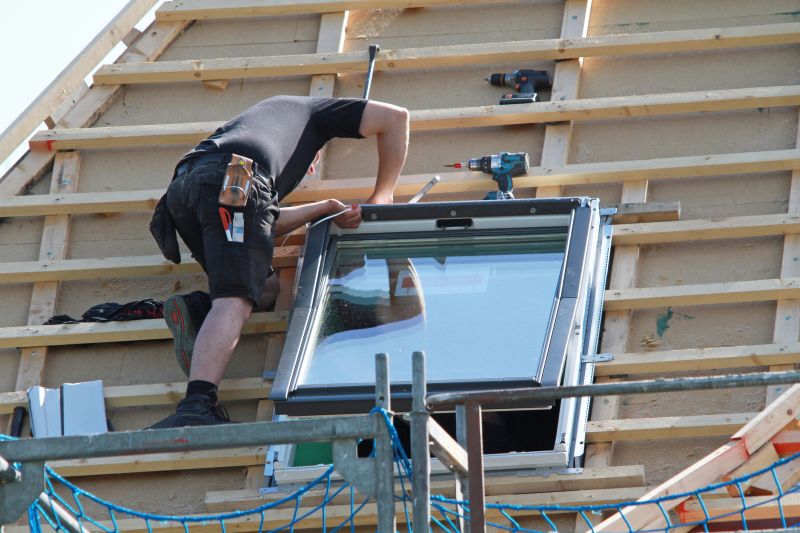
When evaluating potential contractors for skylight installation, it is important to consider their experience with similar projects. Homeowners should inquire about the types of skylights they have installed and the complexity of previous work to ensure familiarity with the specific challenges their home may present. A contractor’s history of handling comparable installations can provide insight into their skill level and understanding of proper techniques, which can contribute to a successful outcome. Additionally, checking references or reviews from past clients can help verify the contractor’s reputation and reliability, giving confidence that they have a track record of completing projects satisfactorily.
Clear, written expectations are essential when selecting a service provider for skylight installation. Homeowners should seek detailed proposals that outline the scope of work, materials to be used, and the projected timeline. Having these details documented helps prevent misunderstandings and ensures that both parties are aligned on the project’s goals. Good communication from the outset also includes how the contractor plans to handle potential issues or changes during the process, fostering transparency and trust. This clarity can make the entire experience smoother and reduce the likelihood of surprises or disagreements down the line.
Reputable references and effective communication are key factors in choosing a reliable local contractor. Homeowners should ask for contact information of previous clients or look for reviews that speak to the contractor’s professionalism and responsiveness. A service provider who communicates clearly and promptly can be easier to work with and more likely to address questions or concerns throughout the project. Building a relationship based on open dialogue and trustworthy references can help ensure that the installation process proceeds efficiently and results in a skylight that enhances the home’s comfort and aesthetic appeal.
Property owners often search for signs your home is ready for a skylight installation when they are planning practical projects around their homes and businesses. Local pros provide Skylight Installation services for everyday jobs and straightforward project options.

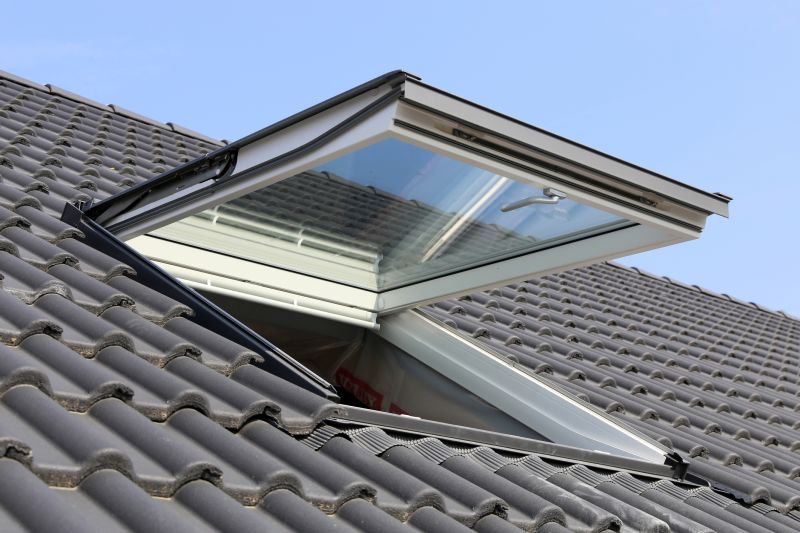
Homeowners considering skylight installation often notice increased natural light in their living spaces or feel that their rooms could benefit from a brighter, more open atmosphere. If a home feels dim or the interior layout could be enhanced with additional daylight, it may be a sign that a skylight could improve the space. Local contractors can assess whether the roof structure and existing attic space support a new skylight, helping property owners determine if their home is ready for this type of upgrade.
Another common indicator is the desire to reduce reliance on artificial lighting during daytime hours or to create a more inviting environment. If residents find themselves wishing for more sunlight or want to bring a sense of outdoor openness inside, it could signal that a skylight installation would be a valuable addition. Service providers in the area can evaluate the home’s orientation, roof condition, and other factors to advise on the best placement and type of skylight that fits the property’s needs.
What structural features indicate a home is ready for a skylight installation? Homes with intact roof framing and minimal existing damage are suitable for skylights, as they provide a stable foundation for installation services from local contractors.
Are there signs of adequate roof space for skylight installation? If the roof has sufficient open space without obstructions like vents or chimneys, local service providers can more easily install skylights and ensure proper integration.
Can existing roof conditions affect skylight installation readiness? Yes, roofs free from leaks, rot, or extensive wear are better prepared for skylight installation, making it easier for local contractors to perform the work safely and effectively.
Is a home with good insulation suitable for skylight installation? Homes with proper insulation and ventilation are more likely to benefit from skylights, and local pros can assess if the current setup supports the addition.
What interior features suggest a home is ready for a skylight? Clear attic space and minimal interior obstructions can indicate that a home is prepared for skylight installation, allowing local service providers to work efficiently.
Existing roof structure - Property owners can assess whether their roof is sturdy enough to support a skylight by inspecting for any signs of damage or deterioration, making it suitable for installation with the help of local contractors.
Natural light needs - Homes with rooms that lack sufficient daylight might benefit from skylight installation, which local service providers can help plan and implement to enhance interior brightness.
Attic and ceiling space - Checking for adequate attic or ceiling space ensures that skylights can be added without structural issues, with local pros able to evaluate and prepare the area accordingly.
Weatherproofing readiness - Signs that a home’s roof and exterior are properly sealed and weatherproofed indicate readiness for skylight installation, which local contractors can confirm and assist with during the project.
If you are thinking about signs your home is ready for a skylight installation for a property, this guide is meant to help you understand this topic, the typical project types, and how different options might fit your plans.
When you are ready, you can use the quote form on this page to share a few details about your project. From there, local pros can review the basics and follow up with options that match what you have in mind.